All-Inclusive, Reimagined: Inside Palmaïa – The House of AïA
September 7, 2026
We went into this trip expecting Mexico to feel a lot like Florida. Same coastline, same humidity, same general idea of a beach vacation. We were wrong — and we mean that in the best way.
Even the arrival didn’t quite prepare us. Cancún’s airport and the transfer out aren’t exactly warm or welcoming — it’s efficient, but sparse, and by the time we reached the property we weren’t sure what to expect next. Then we saw the resort itself, and any lingering skepticism disappeared.
First Impressions: Jungle, Architecture, and Quiet
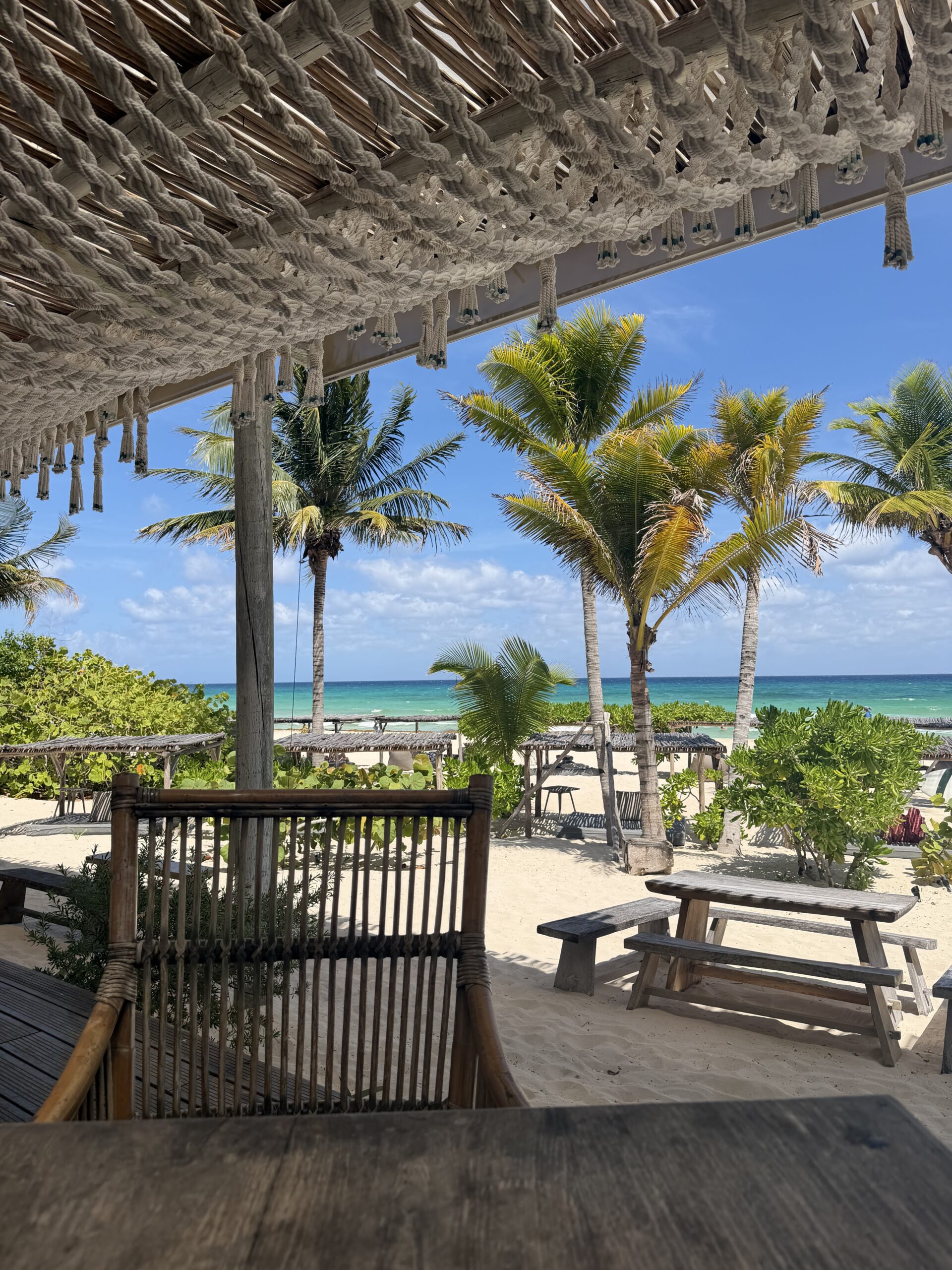
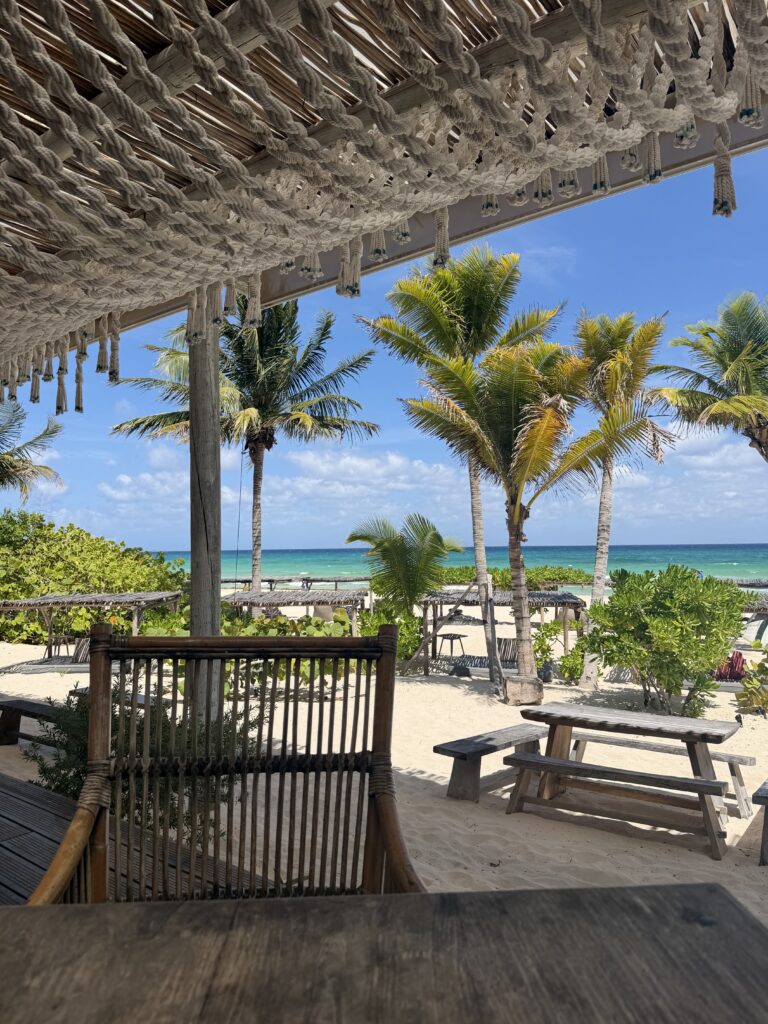
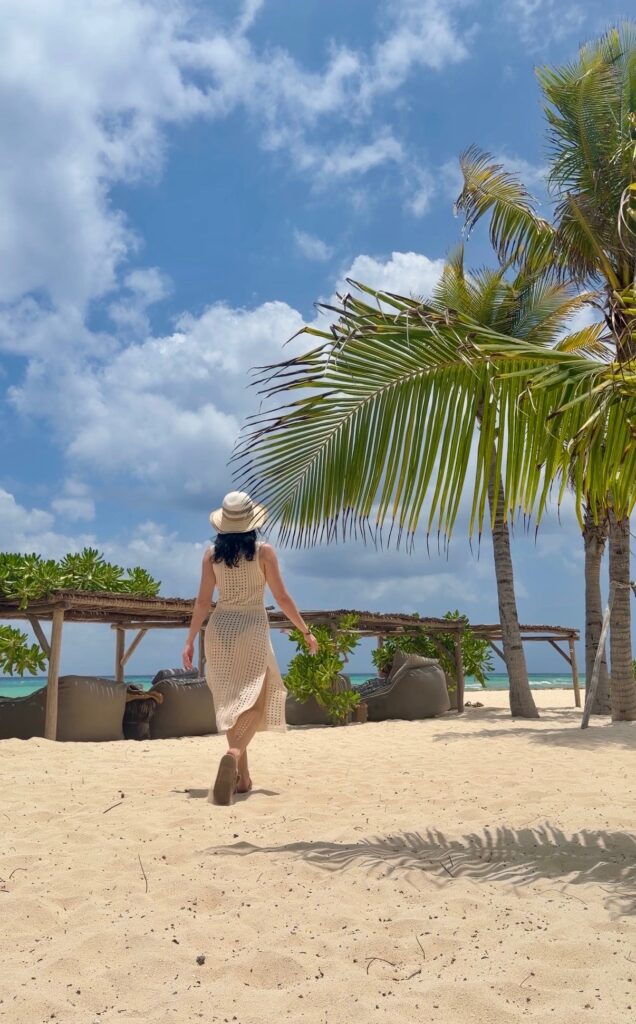
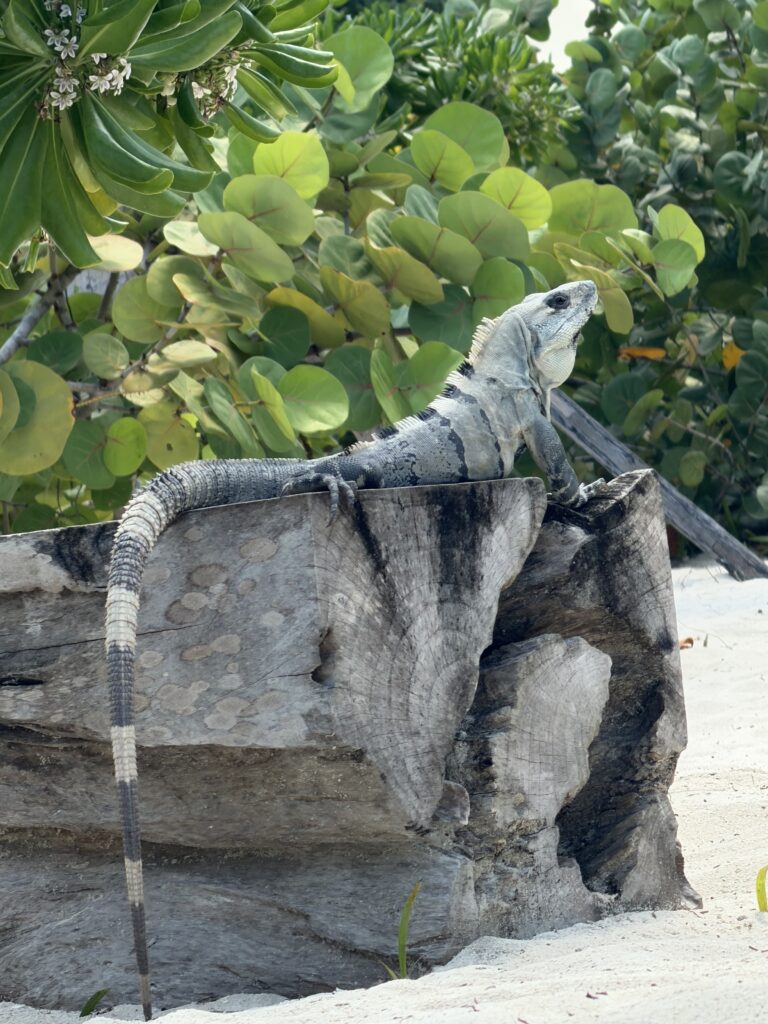
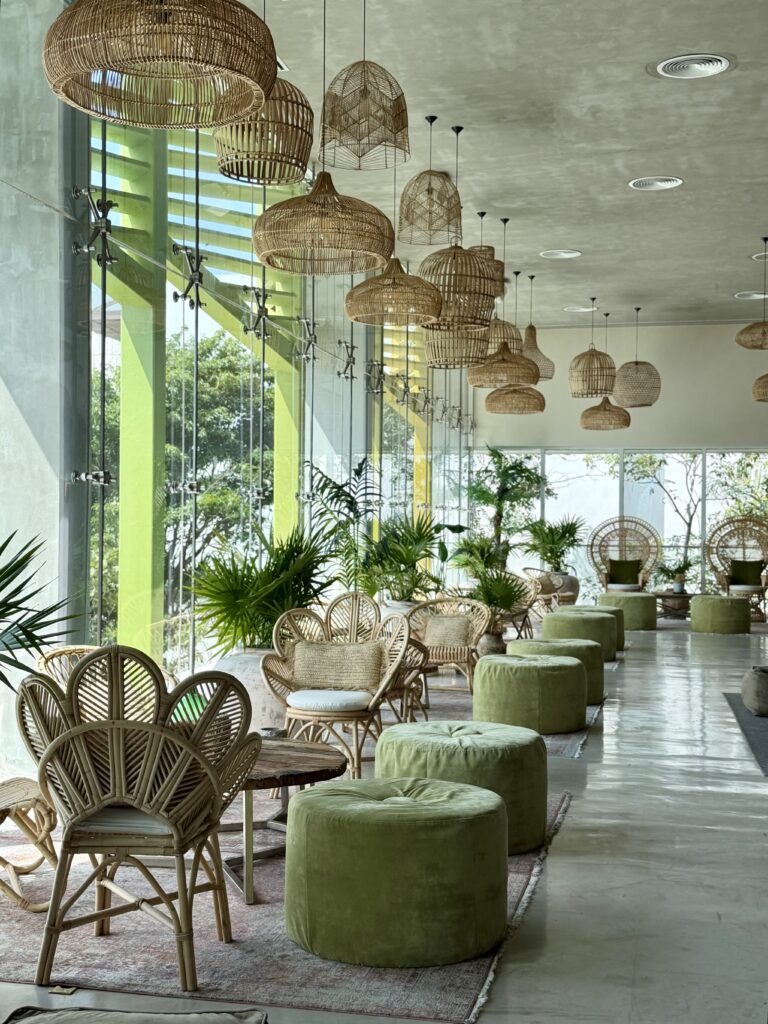
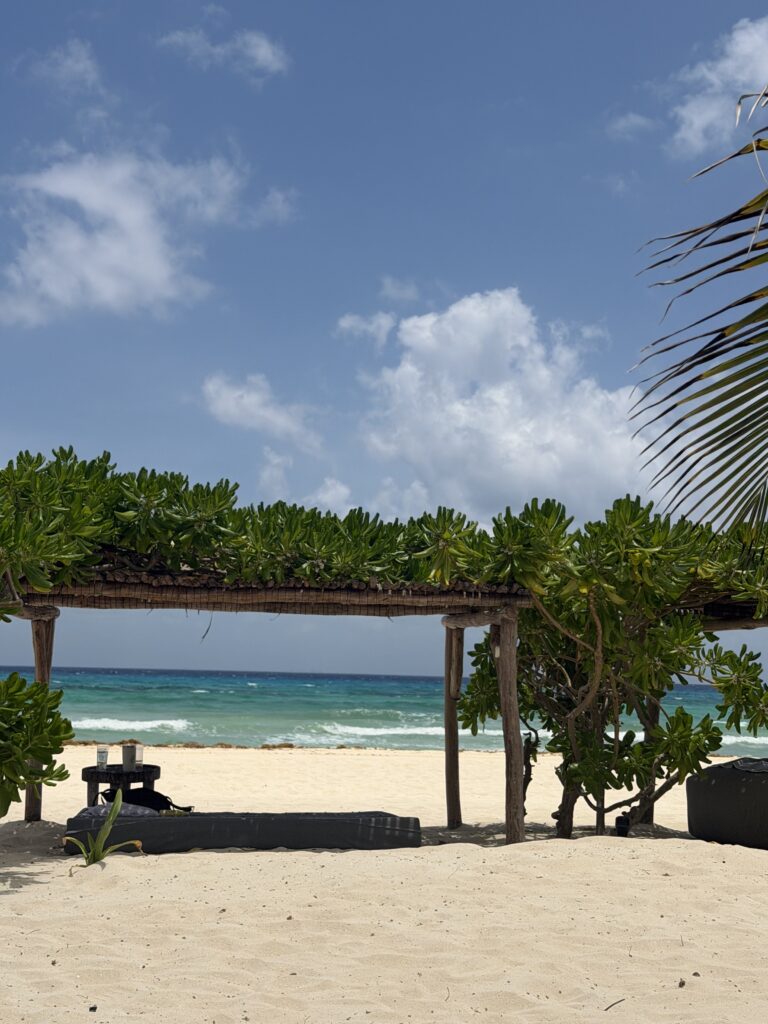
Palmaïa – The House of AïA sits tucked into the jungle along the Riviera Maya, and that setting alone changes the entire experience. This isn’t a resort carved out of the landscape — it feels built with it. The architecture is modern and intentional, all clean lines and natural materials, and it’s genuinely beautiful in a way photos undersell. Wildlife moves through the property freely — we lost count of how many different animals we spotted just walking between buildings. You’re staying in luxury, but you’re still very much in nature.
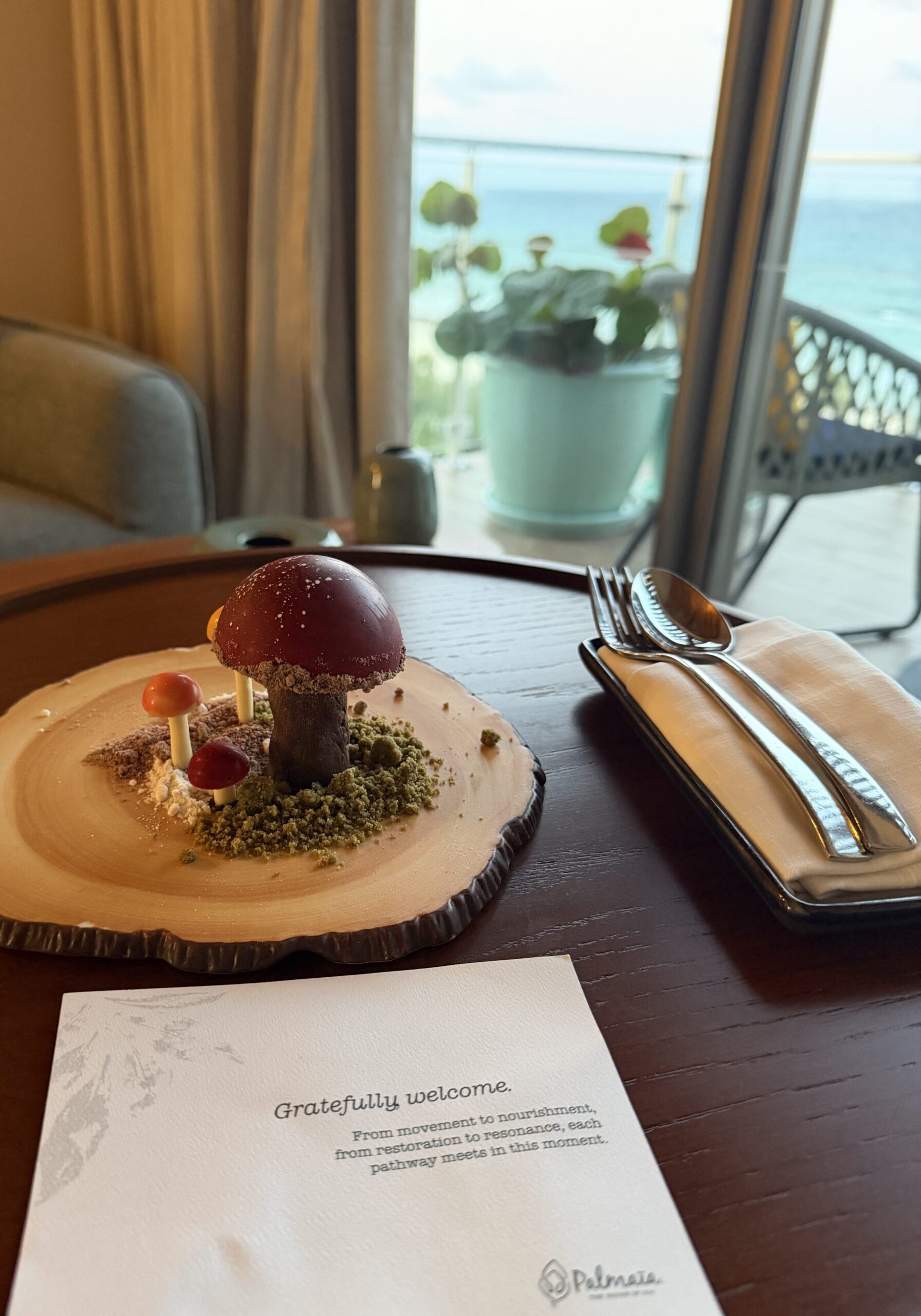
We booked an Ocean View Suite, and the room lived up to the rest of the property — spacious, well-designed, and positioned so the ocean was never far from view.
It also never felt overcrowded. While kids are allowed after a certain age, this isn’t a family-oriented resort, and the atmosphere reflects that — quiet, adult-paced, geared toward guests who are there to actually unwind. We understand the property may be raising its minimum child age to around 10 or 11, though that’s worth confirming before booking.
The property also has real cenotes on-site that you can actually swim in — natural limestone pools that are otherwise something you’d have to book an excursion to see elsewhere in the Riviera Maya. Having them right on the grounds was one of the more unexpected perks.
Why We Chose It: A Wellness Resort, By Design
We didn’t pick Palmaïa for the beach alone. We picked it because we needed to actually recharge, and this is a resort built around that idea from the ground up. Mornings start with yoga and meeting the sunrise. There are sound healing sessions, guided meditations, and coffee ceremonies woven into the daily rhythm — not offered as a spa menu afterthought, but as the actual structure of how the days unfold.
That’s a different kind of all-inclusive than we were used to, and it turned out to be exactly what we needed.
The Menu: Plant-Based First, Elevated Throughout
We knew going in that Palmaïa is plant-based by default — every restaurant, every dish on the standard menu, is vegan unless you request otherwise. You can add eggs, dairy, meat, or fish and the resort accommodates it easily, but the baseline is 100% plant-based, and that was part of the draw, not a surprise we stumbled into.
We’re not vegan or vegetarian ourselves. One of us genuinely loves a good steak. But we were curious to try this kind of all-inclusive precisely because it’s so different from the norm — and we were blown away by the food. The vegan ice cream might be the single best proof of that: made in-house, no dairy, no added sugar, and you would genuinely never guess. The flavor and texture are just there, full stop — not “impressive for vegan ice cream,” just impressive. This isn’t the fried-potatoes-and-salad-leaf version of “vegan resort menu” — it’s elevated, thoughtful cooking that happens to skip animal products by default. Some of the substitutions we requested landed better than others, but ordering fish or shrimp was never a problem, and vegan-by-choice meals were consistently satisfying rather than an afterthought.
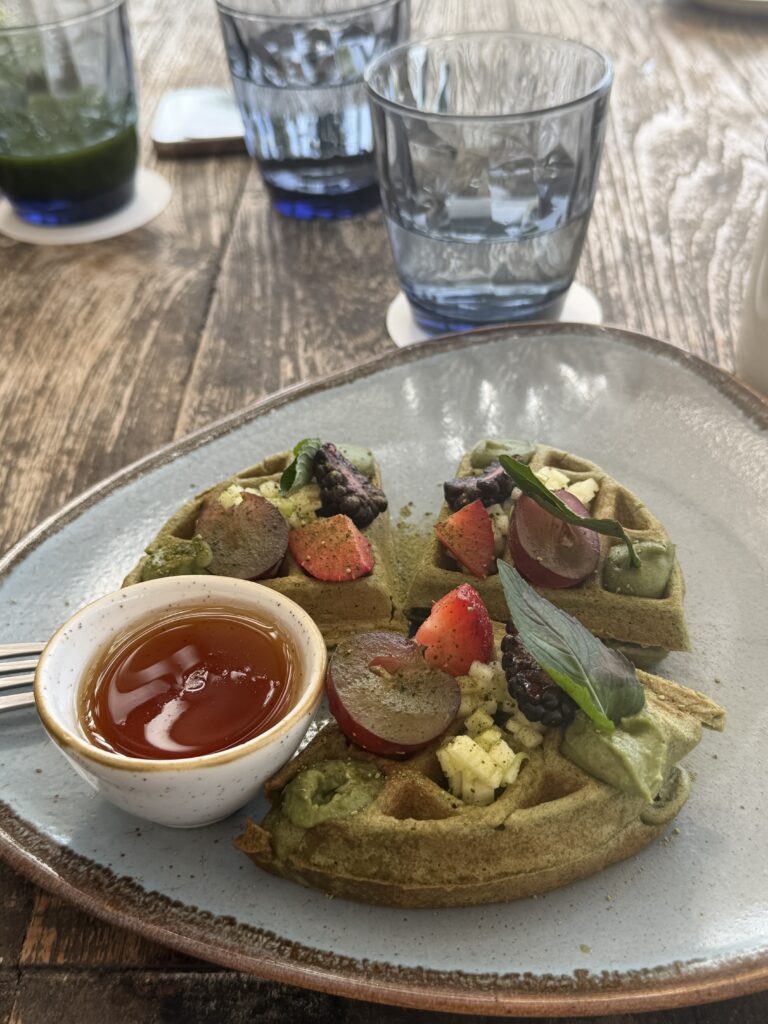
The property has four restaurants, a bar, a taco stand, and a coffee shop, so there’s real variety even within a fully plant-forward framework. One of our standing favorites: the breakfast matcha waffles, which we ended up ordering more mornings than not.
Drinks follow the same philosophy: mocktail first. Every drink on the menu is virgin by default, with alcohol added only on request. For two people who don’t drink, this was a genuinely welcome change from the standard all-inclusive playbook. Open the in-room fridge and you’ll find water, coconut water, and what seemed to be a sugar-free soda option — not the usual sugary mixers. In fact, the resort doesn’t stock sugar at all. It honestly wasn’t the adjustment we expected — a piña colada made with naturally sweet, ripe pineapple didn’t need added sugar at all, and it was one of the best we’ve had. Agave syrup stands in everywhere else, and that took a little more getting used to, especially in coffee.
The People Make It
The single biggest reason Palmaïa works isn’t the architecture or the menu — it’s the staff. Every person we interacted with seemed genuinely happy to be there, and that energy is contagious. It’s the difference between feeling like a guest and feeling like you’re actually welcome. That kind of warmth is hard to manufacture, and impossible to fake for an entire property.
For the sake of an honest account: the one thing that didn’t land for us was the spa. One of us loved the treatment; the other didn’t enjoy the experience nearly as much. It’s worth mentioning as the single soft spot in an otherwise excellent stay — results there may simply vary by guest and treatment.
The Takeaway
We came in expecting a nicer version of a familiar vacation. We left with something closer to an actual reset — genuinely emotional about checking out, which isn’t something we say lightly. Between the wellness programming, the food, the ocean, and the people, Palmaïa delivers a version of all-inclusive that doesn’t feel like a compromise. It feels like the model is finally catching up to what luxury travelers actually want.
To be clear, this isn’t for everybody. Plenty of people book an all-inclusive in Mexico specifically to party, drink, and check out from their regular routine entirely — and that’s a completely valid way to travel. Palmaïa isn’t that. But for those looking for something different — a stay built around actually recharging rather than escaping — this is exactly it.
If you’ve written off all-inclusive resorts as a category, this is the one that will make you reconsider.


